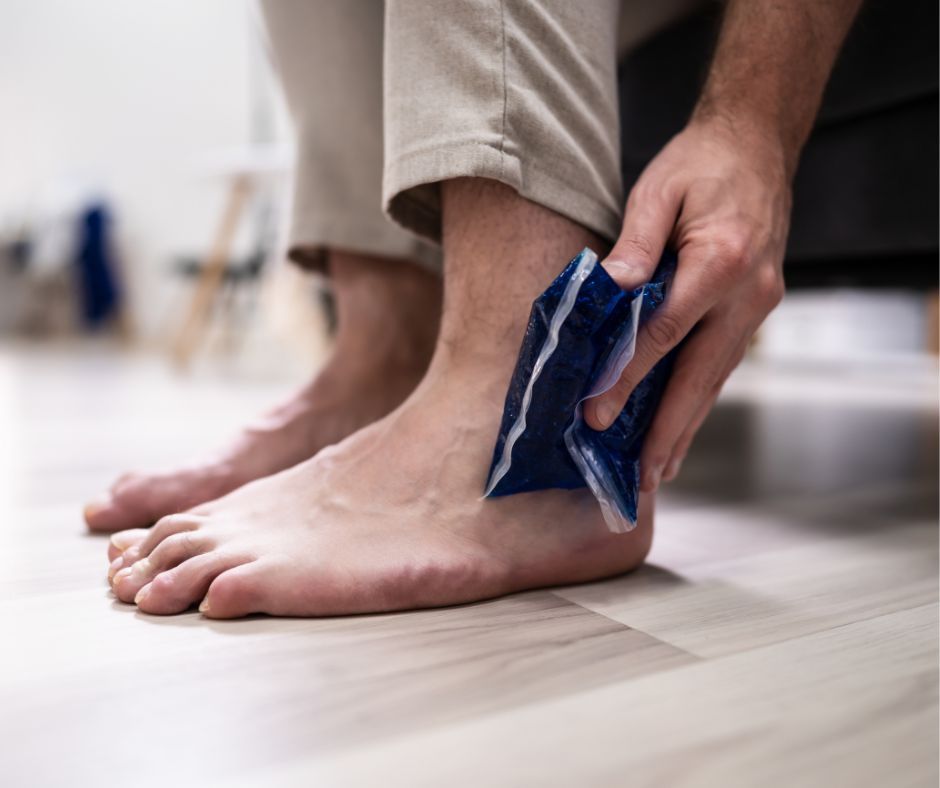
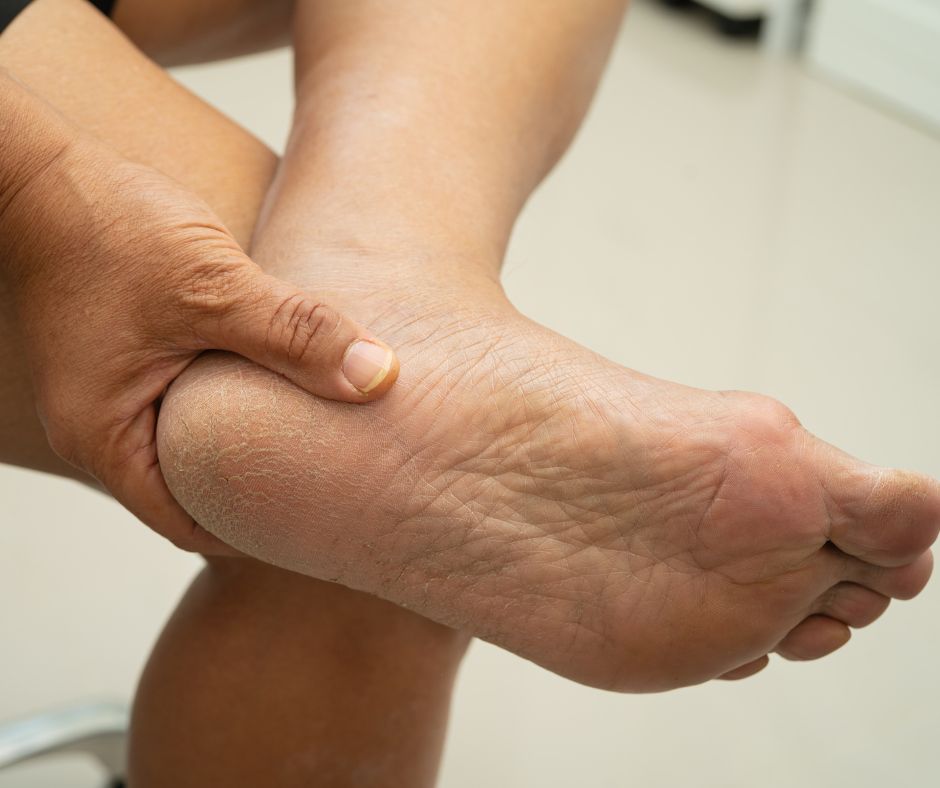
Heel pain is one of the most common presentations in foot and ankle practice, frequently attributed to plantar fasciitis or Achilles tendinopathy. While many cases respond well to initial conservative management, it is important to differentiate between these conditions and recognise when symptoms warrant further investigation or referral.
Plantar fasciitis typically presents with pain on the plantar aspect of the heel, often worst with the first steps in the morning or after periods of rest. In contrast, Achilles tendinopathy presents with posterior heel pain, stiffness, and discomfort that may worsen with activity or following periods of inactivity. While these conditions are distinct, they may coexist, and both are influenced by load, biomechanics, and patient-specific factors.
Initial management should focus on load modification, appropriate footwear, and structured rehabilitation. Physiotherapy plays a key role in guiding progressive loading programmes, particularly for Achilles tendinopathy. Podiatry can support early assessment of foot mechanics, provide advice on footwear, and implement simple offloading strategies. Where biomechanical factors are more complex or persistent, orthotists can provide bespoke orthotic devices aimed at redistributing load and improving function.
Referral should be considered where symptoms persist despite appropriate conservative management, typically beyond an expected recovery period, or where there is significant functional limitation. Patients with atypical presentations, severe pain, or symptoms that are not responding as expected should be considered for further evaluation.
Imaging is not always required initially but may be useful in persistent or unclear cases. Ultrasound can provide dynamic assessment of the plantar fascia and Achilles tendon, while MRI may be indicated where there is suspicion of more complex pathology, including partial tears, insertional disease, or alternative diagnoses. Radiographs may be useful where bony pathology or calcaneal involvement is suspected.
Clinicians should also remain aware of less common causes of heel pain, including stress fractures, nerve entrapment, inflammatory arthropathies, and systemic conditions. A broader differential diagnosis is particularly important in patients with bilateral symptoms, atypical features, or associated systemic signs.
Multidisciplinary team (MDT) input can be valuable in more complex or persistent cases. Collaboration between physiotherapy, podiatry, orthotics, radiology, and orthopaedic surgery allows for a more comprehensive assessment and a coordinated management approach, particularly where multiple contributing factors are present.
Referral for specialist opinion should be considered where conservative management has failed, where there is diagnostic uncertainty, or where symptoms significantly impact function and quality of life. In selected cases, advanced interventions including injection therapies, shockwave therapy, or surgical options may be appropriate.
For clinicians, differentiating between plantar fasciitis and Achilles tendinopathy, and recognising when to escalate care, is key to avoiding prolonged symptoms and ineffective treatment. For patients, timely referral ensures access to appropriate investigation and a structured, multidisciplinary approach to management.