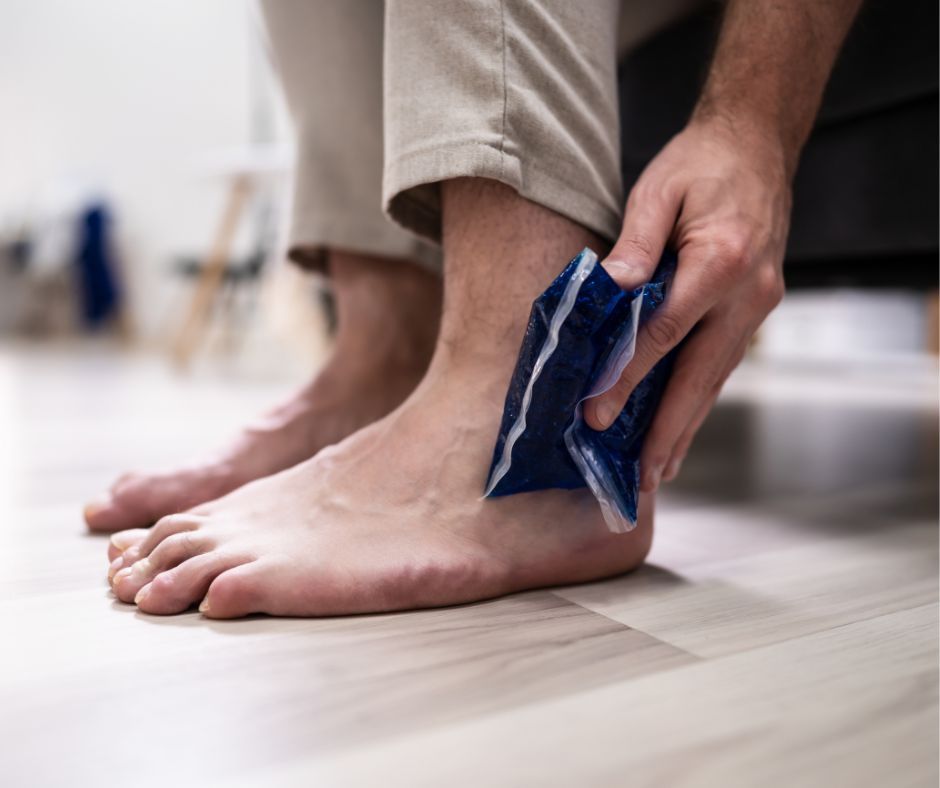
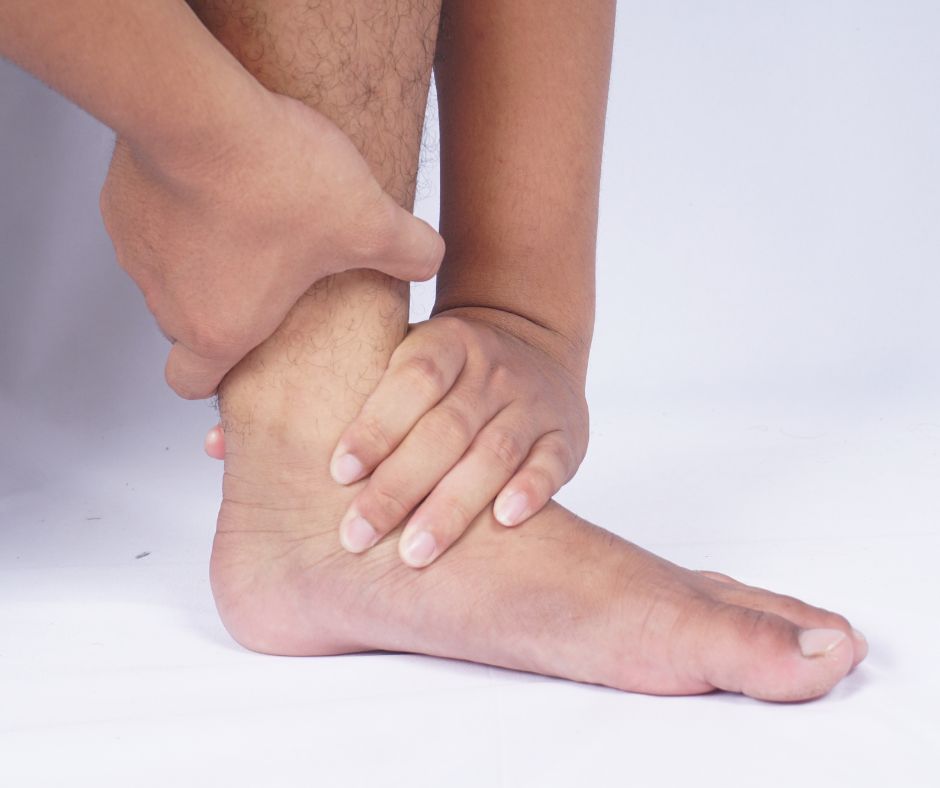
Midfoot pain is a common but often under-recognised presentation in clinical practice. While it may initially be attributed to soft tissue strain or overuse, it is important to identify when symptoms may reflect underlying instability or degenerative joint disease requiring further assessment and escalation of care.
The midfoot plays a critical role in load transfer and stability during gait. Pathology in this region can arise from a number of causes, including ligamentous injury (such as Lisfranc complex injury), degenerative arthritis, post-traumatic changes, and less commonly inflammatory or systemic conditions. Patients may present with dorsal foot pain, swelling, difficulty with weight-bearing, or discomfort when walking on uneven ground. In some cases, symptoms may be subtle initially but progress over time.
Initial management should focus on activity modification, footwear optimisation, and addressing biomechanical contributors. Podiatry can support early assessment of foot function and provide advice on load management and footwear. Where more complex mechanical issues are present, orthotists play a key role in designing custom orthotic devices aimed at stabilising the midfoot and redistributing load. Understanding the distinction between these roles is important in ensuring appropriate and effective early intervention.
Referral should be considered where pain persists despite appropriate conservative management, particularly if there is clinical suspicion of instability, progressive deformity, or significant functional limitation. Patients who report worsening symptoms, difficulty with prolonged standing or walking, or pain that impacts daily activity should be considered for further investigation.
Imaging is often required to clarify diagnosis. Weight-bearing radiographs are essential in assessing alignment and joint space, and can help identify subtle instability or degenerative change. MRI may be indicated where there is suspicion of ligamentous injury, stress response, or where radiographs are inconclusive. Ultrasound can be useful in selected cases, particularly for evaluating associated soft tissue pathology.
Multidisciplinary team (MDT) input is particularly valuable in midfoot pathology, where management often requires a combination of biomechanical support, rehabilitation, and, in some cases, surgical intervention. Collaboration between podiatry, orthotics, physiotherapy, radiology, and orthopaedic surgery allows for a more comprehensive and coordinated approach to care.
Referral for specialist opinion should be considered where there is diagnostic uncertainty, evidence of instability, or failure of conservative measures. In cases of established degenerative change or structural instability, surgical options may be required to restore alignment and reduce pain.
For clinicians, recognising the potential significance of midfoot pain and identifying when to escalate care can prevent delayed diagnosis and progression of pathology. For patients, timely referral ensures access to appropriate investigation and a structured, multidisciplinary approach to management.