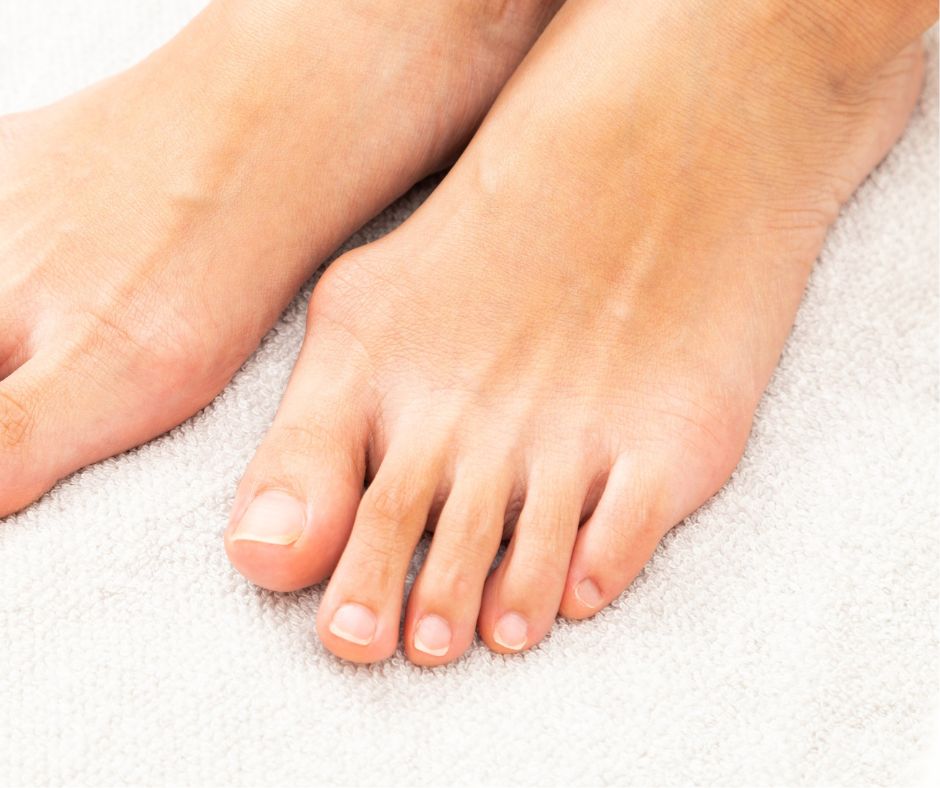
Hallux valgus, or bunion deformity, is a common presentation across primary care, physiotherapy, and podiatry. While many patients can be managed conservatively, knowing when to escalate for specialist input is key to optimising outcomes and avoiding prolonged symptoms or progression of deformity.
Bunions are not simply a cosmetic issue. They represent a progressive structural deformity of the first ray, often associated with pain, joint dysfunction, and altered biomechanics. Patients may present with medial eminence pain, difficulty with footwear, transfer metatarsalgia, or reduced function. In some cases, symptoms are driven more by associated soft tissue irritation or joint overload rather than the deformity itself.
Initial management should focus on load modification, footwear advice, and addressing contributing biomechanical factors. Podiatry plays an important role at this stage, particularly in assessing foot function, advising on footwear, and implementing simple offloading strategies. Where more complex mechanical issues are present, orthotists can provide bespoke orthotic solutions aimed at redistributing load and improving alignment. Understanding the distinction between these roles helps ensure patients receive appropriate early intervention.
Referral should be considered where symptoms persist despite appropriate conservative management, or where there is progression of deformity associated with increasing pain or functional limitation. Patients reporting difficulty with normal footwear, significant impact on activity levels, or secondary symptoms such as transfer pain under the lesser metatarsal heads may benefit from further assessment.
Imaging is not always required initially but can be useful where there is diagnostic uncertainty or when considering surgical options. Weight-bearing radiographs remain the standard for assessing the degree of deformity and joint involvement.
Multidisciplinary team (MDT) input can be valuable in more complex cases, particularly where there is a combination of biomechanical dysfunction, soft tissue symptoms, and joint pathology. Collaboration between podiatry, orthotics, physiotherapy, and orthopaedic surgery allows for a more comprehensive assessment and a coordinated management plan.
Where non-operative measures fail to control symptoms, or where deformity is significantly impacting function and quality of life, referral for orthopaedic opinion is appropriate. Surgical intervention is not indicated for all patients, but in selected cases it can provide reliable correction of deformity and improvement in pain and function.
For clinicians, recognising when conservative care is no longer sufficient and when to escalate can prevent prolonged ineffective treatment. For patients, timely referral ensures access to a full range of treatment options and a more structured, multidisciplinary approach to care.